
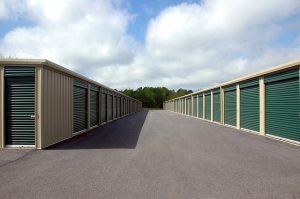
Moving can be stressful and often requires planning weeks ahead of time. When you’re faced with a short notice move or downsizing to a smaller space…You’re often faced with questions like, will all my furniture fit in my new residence? Will I need to get a storage unit or multiple storage units? We’ve compiled some tips for renting storage units and advice on things you should consider to keep your move organized and on track!
How Much Does Renting Storage Units Cost?
There are many different needs for renting storage units. Whether you’re moving or just have too much stuff in your current house. There are many options available at different prices. According to CostHelper, a provider of consumer information, “the average national storage unit costs are $40-$50 per month for a 5-by-5-foot unit. $75-$140 per month for a 10-by-15-foot unit. $115-$150 per month for a climate-controlled 10-by-15-foot unit.”
The location of your storage unit can also affect the price. Do you live in an urban area or a rural area? Oklahoma City, OK has the cheapest monthly storage rental rate at $52.51, or $0.50 per square foot. San Francisco, CA continues to be the most expensive place to rent a storage unit in the country, costing on average $168.02 per month, or $3.24 per square foot.1
Shop National Storage Locations and Availability Now
Picking the Right Size Storage Unit
So, you’ve made the decision that you will be renting storage units. Now you need to figure out what size you’ll be needing. This is important because the last thing you’ll want to do is get a unit too small and having to put only a few goods in a bigger storage unit. Below we’ve listed out some of the common sizes you’ll see available for rent at most storage unit locations.
- 5×10-ft: Considered the “average” unit size, fits the contents of a small 1 bedroom or dorm room.
- 5×15-ft: Fits the contents of a 1-bedroom apartment.
- 10×10-ft: Roughly about the size of a bedroom, also fits the contents of a 1-bedroom apartment.
- 10×15-ft: Will hold contents of a 2-bedroom apartment or a small house, good for multiple bedroom sets and couches.
- 10×20-ft: The size of a 1 car garage, will fit contents of a 2 or 3-bedroom house or apartment and is also good for vehicle storage.
Remember, when in doubt, it’s always better to play it safe and go with the next size up unit.
Making the Most of Your Storage Space
You’ve decided upon a storage unit size. Now how should you fill it up!? If you grew up playing Tetris, these childhood skills may come in handy. As we mentioned previously, you’ll want to first make a list of what’s going into the unit. These couple tips will serve as a good starting point:
- Leave a lane down the center of the unit. This will allow you to get boxes in the back without having to crawl over or pull all the boxes in the front out, for the one or two boxes in the back that you need.
- Keep heavy boxes/items on the bottom. These heavier boxes will act as a solid foundation for lighter items that will be stacked on top.
- Shovels and other lawn care items should be stored on the side walls. Most lawn care items other than a mower will fit nicely along the walls of your storage unit.
- Wrap fragile items in bubble wrap or old blankets. This will prevent broken glass or damaged items once items are unloaded out of your storage unit.
- Make a list of where you place items in your storage units. Once you get all your items packed in, remembering what is where a few months later can be a disaster. This is why we highly recommend making a list or map to keep track.

Do My Storage Units Need Climate Control?
Not all people need climate-controlled storage units. The three most important things to consider when renting storage units are the following…
1) What’s being kept in the storage units?
2) How long will these items need to be stored?
3) What are the temperatures of the city where the storage unit is located?
Recently more storage unit locations have been including climate-control as a standard option. This was not the case 10-20 years ago. So, what’s going to be stored in the unit? Leather and wood are two materials that tend not to do good in extreme weathers. These items when faced with extreme temperature conditions can possibly crack or warp. So, if you live in Arizona or Texas…summer time heat may present an issue. Vice-versa, if you live in Colorado, Montana, or various North Eastern states, then extreme cold temperatures are something to consider as well. These units can sometimes cost an additional 30-40 percent more than a non-climate-controlled unit. With that being said, it may be worth it if your situation calls for one!
What Not to Store in Your Storage
We’ve discussed storage unit size, cost, and how you should go about packing. Let’s discuss some items that should NOT be placed in your storage unit.
- You shouldn’t be using your storage unit as an office space.
- Don’t store flammable or hazardous liquids.
- Stolen goods should not be stored in storage units.
- They should not be treated as residences to sleep in.
- Live animals should never be stored in them.
How to Get Storage Discounts
Discounts, we’re all about finding ways to save you money! There are a couple of ways to get them when it pertains to renting storage units. Well, discuss ways on how to spot them. Putting in a little research time could land you some respectable savings later!
- Search For Newly Built Storage Unit Facilities: These buildings are usually less occupied. They’ll often run specials trying to fill storage units and often you’ll get a killer deal.
- Rent During The “Moving Off-Season: Most people move between May and August. If you know the general area where you’ll be moving, booking in February or March would be ideal.
- AAA Members: Many times, AAA will offer discounts when moving, sometimes up to 20% through providers working with UtilityHound such as SpareFoot.com.
- Bundling Services During Your Move: Some storage unit facilities will offer moving truck services and storage unit services together. Often when you use them for both parts of the move, they’ll offer discounted pricing.
How to Find a Storage Unit Near Me?
UtilityHound’s online platform is leading the way in the ReloTech Industry. We offer a relocation platform for people that are looking to move. Helping them connect all their home services along with moving and storage options. The platform is free to use and allows new homeowners to connect everything in a matter of minutes. Great, right? No more dealing with call centers or spending hours of your time researching who’s available.
In conclusion, you should feel a lot more comfortable when it comes to renting storage units. Make sure you don’t procrastinate! Checking into storage units sooner rather than a few days before your move will make things less stressful.
Needing help with other aspects of your move such as booking movers, connecting your utilities, internet, or getting a home security system installed? UtilityHound and our partners have you covered. We make it easy to compare prices and find the best options for you!
Sources: 1 Costhelper.com